BLOG
What Are Typical Costs to Replace Bulldozer Undercarriage Parts
Why Undercarriage Costs Catch Operators Off Guard
If you run a bulldozer in Vermont, the undercarriage takes more abuse than almost any other system on the machine. Mud, rock, steep grades, freeze-thaw cycles, and heavy pushing loads all accelerate wear.
Unlike a hose or sensor, undercarriage components don’t fail quietly. They wear gradually — until traction drops, chains stretch, rollers seize, or sprockets begin skipping. At that point, replacement isn’t optional.
The challenge? Undercarriage repairs can represent a large percentage of a dozer’s lifetime maintenance costs.
So what should you realistically expect to pay? Let’s break down typical replacement costs and the factors that influence them.
Average Bulldozer Undercarriage Replacement Costs
Undercarriage systems are made up of multiple components, and pricing depends on which parts need replacement.
Below are general cost ranges for Vermont operators:
These ranges vary based on dozer size, brand, and whether parts are OEM or aftermarket.
Smaller crawler dozers fall at the lower end. Large production dozers used in quarrying or heavy earthmoving trend significantly higher.
What Makes Undercarriage Replacement So Expensive?
The undercarriage can account for up to 50% of a bulldozer’s total lifetime maintenance cost. Several factors explain why.
Component Quantity
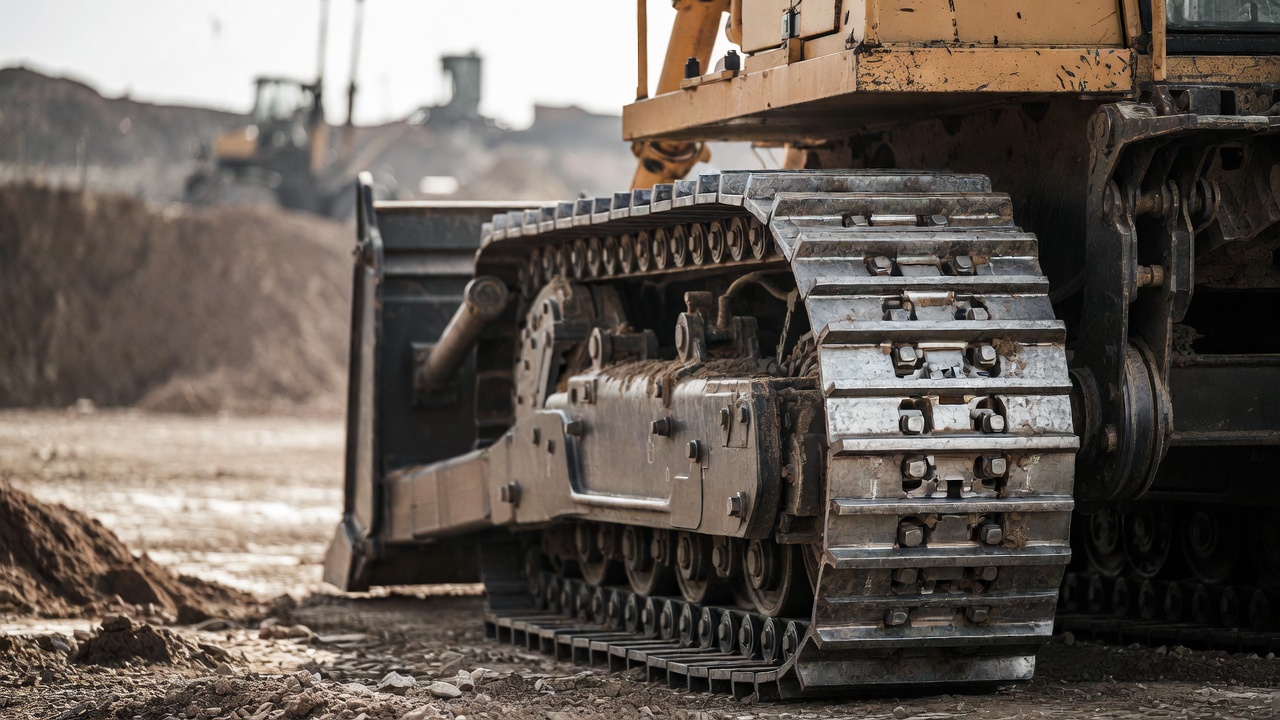
A single undercarriage includes:
Track chains (two sides)
Multiple bottom rollers
Carrier rollers
Idlers
Sprockets
Dozens of track shoes
Even replacing “just a few” worn parts adds up quickly.
Heavy Labor Requirements
Undercarriage replacement is labor-intensive. It requires:
Track tension release
Chain separation
Component removal
Proper alignment and tension reset
Large components are heavy and require lifting equipment. Labor time varies depending on machine size and field conditions.
Machine Size and Application
A small dozer used for landscaping in Vermont will cost far less to repair than a production machine pushing heavy material daily.
Higher operating weight means:
Larger chains
Heavier rollers
Stronger sprockets
Increased material costs
Repair vs. Full Replacement: How to Decide
Not every worn undercarriage requires full replacement.
When Partial Replacement Makes Sense
If wear is uneven, you may only need:
Rollers replaced
Sprockets swapped
Track shoes updated
This is more cost-effective if chains and idlers remain within acceptable wear limits.
When Full Replacement Is More Economical
If multiple components are worn simultaneously, piecemeal replacement can lead to:
Premature wear on new parts
Poor alignment
Uneven load distribution
In those cases, a complete undercarriage replacement may reduce long-term costs.
In Vermont’s rugged terrain — especially in rocky or forestry environments — wear can occur more quickly than in softer soil conditions.
OEM vs. Aftermarket Undercarriage Parts
Cost differences often come down to parts sourcing.
Aftermarket parts may reduce upfront costs, but durability can vary. Choosing the right option depends on machine age, workload, and budget.
Vermont Conditions That Accelerate Undercarriage Wear
Operating environment plays a major role in replacement timing.
In Vermont, common wear accelerators include:
Mud-heavy job sites
Rocky excavation areas
Steep slopes
Freeze-thaw ground movement
Snow and ice packing in tracks
Packed mud and debris increase internal friction. Rock surfaces accelerate track shoe and roller wear. Cold weather can also affect metal fatigue over time.
Regular inspection is critical to prevent premature failure.
Labor Costs: On-Site vs. Shop Replacement
Bulldozers are not easy to transport. That affects where undercarriage work gets done.
On-Site Replacement
Advantages:
Eliminates hauling logistics
Faster response in remote areas
Cost Considerations:
Travel time
Service truck equipment
Environmental working conditions
Shop-Based Replacement
Advantages:
Full lifting equipment
Cleaner work environment
More precise alignment
Cost Considerations:
Transport costs
Scheduling downtime
For many Vermont contractors working in remote locations, mobile undercarriage replacement is practical but may slightly increase labor expenses.
How to Budget for Undercarriage Replacement
Instead of reacting to sudden failure, smart operators track wear percentage over time.
A budgeting strategy may include:
Routine wear inspections
Measuring chain stretch
Roller and idler monitoring
Setting aside a percentage of machine revenue annually
Spreading the expected cost over operating hours makes large replacements less disruptive financially.
For example, if a full undercarriage replacement costs $25,000 and lasts 4,000 hours, budgeting roughly $6–$7 per operating hour prepares you in advance.
Signs It’s Time to Replace Undercarriage Components
Watch for these indicators:
Excessive track sag
Uneven track tension
Roller leakage
Sprocket teeth hooking
Reduced traction
Increased fuel consumption
Addressing wear early can prevent additional stress on drivetrain components.
Frequently Asked Questions
How long does a bulldozer undercarriage typically last?
Lifespan depends on terrain and maintenance. In demanding environments like Vermont, undercarriages may last 3,000–5,000 operating hours depending on application.
Is it cheaper to replace individual parts or the entire system?
If only one or two components are worn, partial replacement is cost-effective. If multiple components are near failure, full replacement often reduces long-term expenses.
Does rocky terrain increase replacement costs?
Yes. Rock accelerates wear on track shoes, rollers, and sprockets, leading to more frequent replacement.
Can undercarriage wear affect fuel efficiency?
Yes. Worn components increase rolling resistance and drivetrain strain, potentially raising fuel consumption.
Is mobile undercarriage repair available in Vermont?
Many heavy equipment repair providers offer mobile service throughout Vermont, especially for contractors operating in remote locations.
Conclusion
Bulldozer undercarriage replacement costs vary widely based on machine size, wear severity, parts choice, labor location, and operating conditions. In Vermont’s rugged terrain, undercarriage components often experience accelerated wear compared to softer ground environments.
Planning ahead — rather than reacting to sudden failure — makes budgeting more manageable and reduces downtime risk.
Tree Top Equipment Repair works with bulldozer undercarriage systems across Vermont, helping operators assess wear accurately and approach replacements with a clear understanding of cost and timing.

Our Services
Contact Information
Phone:
Address:
113 Maple Ridge Ln, Huntington, VT 05462, United States of America
Helpful Links
Mon - Fri : 7:00AM - 5:00PM
Sat - Sun : Closed
Tips & Articles
© 2025 All Rights Reserved | Tree Top Equipment Repair | Privacy Policy