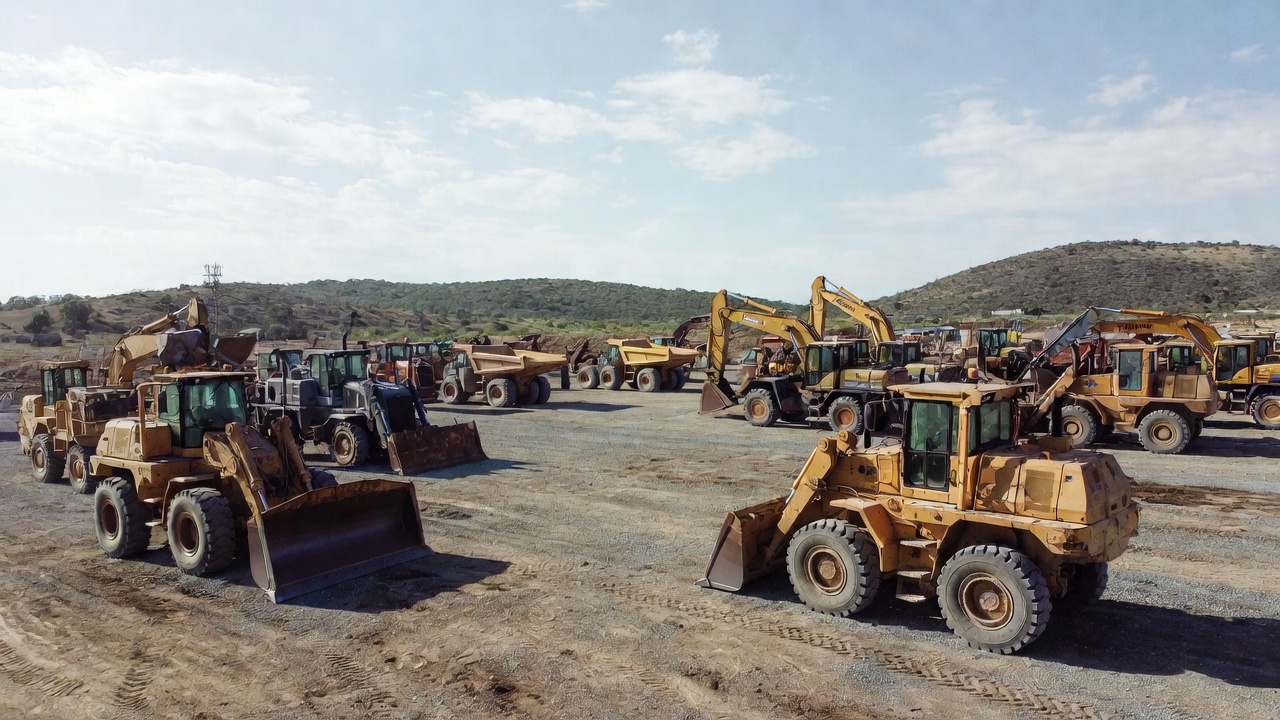
How Much Does Heavy Equipment Diagnostic Testing Cost
Introduction: Why Diagnostic Testing Matters Before Repairs
When a piece of heavy equipment starts acting up, the first instinct is often to assume the worst. Maybe the excavator is losing power. Maybe a skid steer is throwing warning codes. Or maybe a loader just doesn’t feel right under load.
Before replacing expensive components, the smart move is diagnostic testing.
Heavy equipment diagnostic testing helps identify the true cause of mechanical, hydraulic, or electronic problems. Instead of guessing and swapping parts, technicians use specialized tools and software to pinpoint the issue.
If you operate in Vermont — where forestry, excavation, snow management, and construction equipment work hard year-round — accurate diagnostics can mean the difference between a minor repair and a major downtime event.
In this guide, we’ll break down:
What heavy equipment diagnostic testing includes
How much it typically costs in Vermont
What factors influence pricing
When it’s worth the investment
What Is Heavy Equipment Diagnostic Testing?
Heavy equipment diagnostic testing is a structured inspection process used to identify mechanical, electrical, or hydraulic faults before repairs are performed.
Modern construction and forestry equipment relies heavily on:
Electronic control modules (ECMs)
Onboard sensors
Hydraulic systems
Emissions systems
Integrated software platforms
Diagnostic testing combines computer-based scanning with physical inspection.
What Diagnostic Testing Usually Includes
Depending on the machine and issue, testing may involve:
Computerized fault code retrieval
Hydraulic pressure testing
Electrical circuit tracing
Sensor and wiring inspection
Engine performance analysis
Emissions system evaluation
Vermont contractors frequently deal with moisture intrusion, corrosion from road salt, and cold-weather electrical stress. Proper diagnostics confirm whether a warning light is caused by a failed sensor, wiring corrosion, or a deeper system issue.
Typical Diagnostic Testing Costs in Vermont
In Vermont, heavy equipment diagnostic testing generally falls within the following ranges:
These figures vary based on machine size, system complexity, and the depth of testing required.
Mobile diagnostics — common for forestry and construction operations across rural Vermont — may include additional travel charges depending on accessibility and distance.
What Factors Influence Diagnostic Pricing?
Not all diagnostic services are priced the same. Several variables affect the final cost.
Equipment Size and System Complexity
Larger machines with advanced hydraulic systems, emissions controls, and onboard software require more time and specialized tools. A forestry processor operating in Vermont’s timber industry will typically require more extensive testing than a compact loader.
Nature of the Problem
Some issues are straightforward, such as retrieving stored error codes. Others involve layered troubleshooting, including:
Intermittent electrical faults
CAN bus communication errors
Hydraulic pressure inconsistencies
Fuel delivery or emissions issues
Complex problems require extended labor time.
On-Site vs. Shop Diagnostics
Many Vermont machines operate in remote areas. On-site diagnostic service provides convenience but may include:
Travel time
Service truck setup
Working in snow, mud, or uneven terrain
Transporting the equipment to a facility can reduce travel costs but adds logistical challenges.
Seasonal Urgency
Winter snow equipment failures and peak construction seasons can increase demand. Emergency diagnostics during busy periods may affect scheduling and labor rates.
Step-by-Step: What Happens During Diagnostic Testing?
Understanding the process clarifies the value behind the cost.
Step 1: Equipment Review
Technicians evaluate symptoms, usage patterns, and operating conditions. Vermont’s freeze-thaw cycles, road salt exposure, and extended idle periods are factored into the assessment.
Step 2: Electronic Scan
Diagnostic software connects to the machine to retrieve:
Active and stored fault codes
Sensor readings
Historical performance data
Step 3: Mechanical and Hydraulic Testing
If needed, technicians perform:
Hydraulic pressure checks
Electrical continuity testing
Fuel system inspection
Wiring and connector evaluations
Step 4: Root Cause Identification
The goal is to isolate the exact failure point rather than addressing surface-level symptoms.
Step 5: Repair Estimate
After testing, operators receive a breakdown of recommended repairs and associated costs, allowing for informed decisions before authorizing work.
Diagnostic Testing vs. Guesswork: A Cost Comparison
Spending several hundred dollars on proper diagnostics can prevent thousands in unnecessary component replacement — particularly during Vermont’s busy work seasons when downtime is costly.
Frequently Asked Questions
How long does heavy equipment diagnostic testing take?
Most standard diagnostics take between 1–3 hours. Complex electronic or hydraulic issues may require additional time depending on the machine and symptoms.
Is the diagnostic fee applied toward repair costs?
Some repair providers credit diagnostic fees toward approved repair work. Policies vary, so it’s wise to confirm before service begins.
Can I skip diagnostics and replace parts directly?
Skipping diagnostics increases the risk of replacing the wrong component. This often leads to higher overall repair costs if the root issue remains unresolved.
Do older machines benefit from diagnostics?
Yes. Even if the machine lacks advanced electronics, hydraulic and mechanical testing can identify performance issues and prevent misdiagnosis.
Is mobile diagnostic service available across Vermont?
Many heavy equipment repair providers offer on-site service throughout Vermont, particularly for forestry and construction machinery that is difficult to transport.
Conclusion
Heavy equipment diagnostic testing in Vermont typically ranges from $150 to $1,000 depending on machine type, issue complexity, and service location. While it represents an upfront cost, it often protects operators from larger, avoidable repair bills and extended downtime.
For contractors, loggers, and equipment owners working across Vermont, accurate diagnostics provide clarity before committing to major repairs. Tree Top Equipment Repair works with heavy machinery systems every day, helping operators identify root causes and make informed maintenance decisions without unnecessary guesswork.
