What Affects Forestry Machine Repair Prices
When Forestry Equipment Breaks Down, Costs Add Up Fast
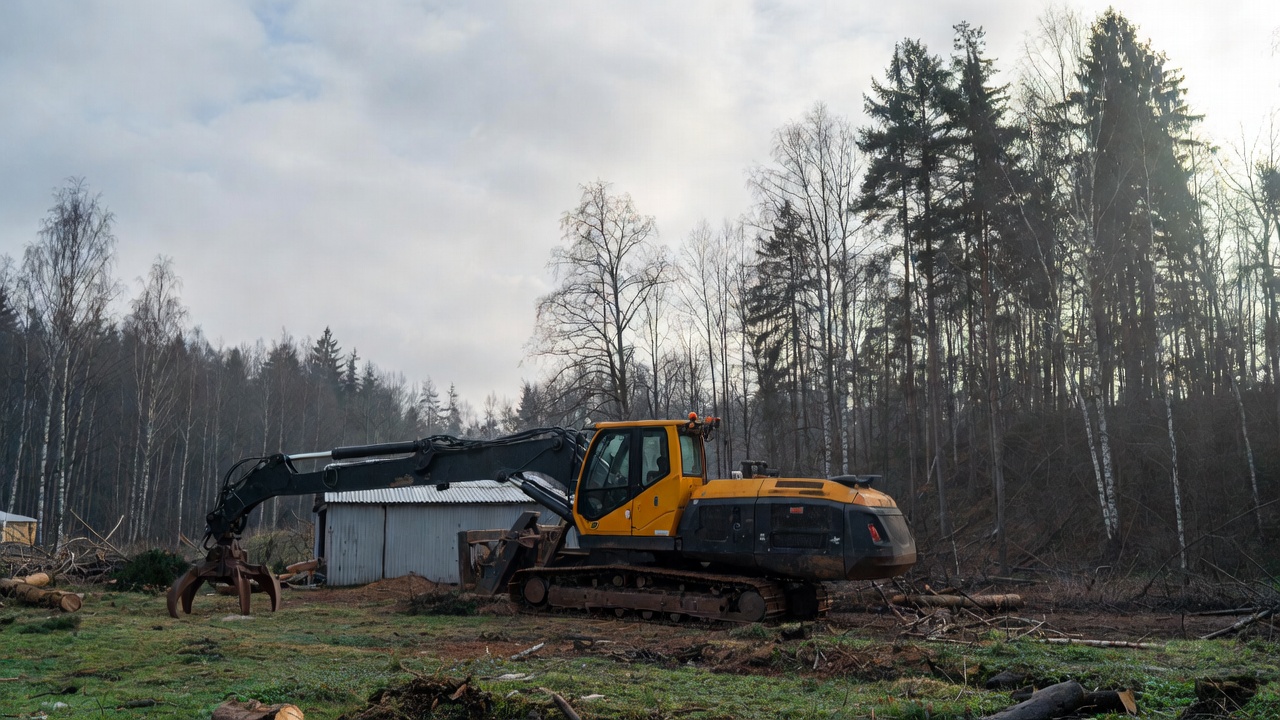
Forestry machines don’t operate in controlled environments. They work in dense timber, uneven terrain, mud, snow, and steep slopes. Whether it’s a feller buncher, skidder, forwarder, or processor, these machines are exposed to extreme stress daily.
When something fails, repair pricing can vary significantly. One operator might pay a few hundred dollars for a hose replacement, while another faces a five-figure repair for a hydraulic system rebuild.
If you operate forestry equipment in Vermont, understanding what drives repair costs helps you budget smarter and avoid unexpected downtime expenses.
This guide breaks down the real factors that influence forestry machine repair pricing — not just the hourly rate, but everything behind the final invoice.
The Type of Forestry Machine Matters More Than You Think
Not all forestry equipment is built the same, and repair pricing reflects that.
High-Complexity Harvesters and Processors
Modern harvesters and processors contain:
Multiple hydraulic circuits
Electronic control modules
Integrated measuring systems
Advanced attachments
Repairs often involve both mechanical and electronic diagnostics. This increases labor time and specialized expertise.
Skidders and Forwarders
While rugged, these machines endure constant drivetrain strain, grapple wear, and hydraulic stress. Repairs often focus on:
Axles
Transmissions
Hydraulic pumps
Boom components
The heavier the machine and the more systems involved, the higher the potential repair cost.
Compact Forestry Equipment
Smaller forestry units may have simpler systems, which can lower labor time. However, if specialty parts are required, costs can still rise.
Severity of the Damage
Repair pricing changes dramatically depending on whether the issue is minor, moderate, or catastrophic.
Minor Repairs
Examples include:
Hose replacement
Sensor replacement
Electrical connector repair
Filter or seal replacement
These typically involve limited labor and readily available parts.
Moderate Repairs
These might involve:
Hydraulic pump servicing
Cylinder rebuilds
Cooling system repairs
Electrical harness replacement
Labor increases, and machine downtime extends.
Major Failures
Catastrophic damage can include:
Engine rebuilds
Transmission replacement
Structural frame repair
Boom reconstruction
These repairs require extensive labor hours, specialty tools, and potentially ordered parts with longer lead times.
In Vermont’s forestry environment — where machines often operate on steep, muddy terrain — drivetrain and hydraulic stress are common contributors to major repair events.
Parts Availability and Brand-Specific Pricing
Forestry machine repair costs are heavily influenced by parts pricing and availability.
OEM vs. Aftermarket Parts
OEM parts for certain forestry brands can significantly increase repair bills, especially for hydraulic components and electronic systems.
Supply Chain Delays
If a part must be ordered — particularly specialized forestry components — downtime extends. Delays can indirectly increase costs due to idle equipment and lost production.
Labor Time and Technical Complexity
Labor often represents a large portion of forestry machine repair pricing.
Several factors influence labor cost:
Accessibility of the failed component
Diagnostic time required
Specialized tools needed
Environmental working conditions
Working on equipment in Vermont’s remote logging areas can require mobile service trucks and setup in challenging terrain. Winter repairs may involve snow removal and additional time simply accessing the machine.
Highly technical electronic or hydraulic diagnostics also increase labor hours.
On-Site vs. Shop Repairs in Vermont
Forestry equipment often cannot be easily transported.
On-Site Repairs
Benefits:
Eliminates hauling logistics
Faster initial response
Cost considerations:
Travel time
Service truck equipment
Field conditions
Shop Repairs
Benefits:
Controlled work environment
Full access to tools and lifts
Cost considerations:
Equipment transport
Possible downtime while waiting for haul-in scheduling
For many Vermont forestry operators, on-site repair is practical but can slightly increase service costs compared to in-shop work.
Seasonal Demand and Emergency Service
Forestry operations in Vermont are often seasonal. When logging schedules are tight, downtime is expensive.
Emergency repairs during peak cutting season may:
Require priority scheduling
Extend technician hours
Increase labor rates
Planning preventive maintenance before peak forestry season can significantly reduce emergency repair costs.
Preventive Maintenance vs. Reactive Repairs
One of the biggest factors influencing overall repair spending isn’t a single breakdown — it’s maintenance strategy.
Preventive Maintenance
Routine servicing helps detect:
Hydraulic leaks early
Electrical corrosion
Wear in drivetrain components
Cooling system issues
Preventive inspections typically cost less than emergency repairs and help avoid large-scale failures.
Reactive Repairs
Waiting until a component fails can result in:
Collateral damage
Longer downtime
Higher labor requirements
In Vermont’s harsh forestry environment, reactive repairs often cost substantially more over time.
Hidden Cost Factors Operators Often Overlook
Beyond parts and labor, several indirect factors affect repair pricing:
Downtime productivity loss
Equipment rental while waiting for repair
Transport or towing
Operator schedule disruptions
Understanding the full financial picture helps forestry businesses evaluate repair decisions more accurately.
Frequently Asked Questions
Why do forestry machine repairs cost more than standard construction equipment repairs?
Forestry equipment operates in more aggressive environments and often includes specialized hydraulic and electronic systems designed for timber harvesting, increasing complexity.
Are forestry machine parts more expensive in Vermont?
Pricing depends on brand and supplier. Some parts may need to be ordered, especially for less common models, which can affect cost and availability.
How can I reduce forestry repair costs long term?
Routine maintenance, regular inspections, and early diagnostics significantly reduce the likelihood of major failures.
Is mobile forestry equipment repair more expensive?
Mobile service may include travel charges, but it often reduces downtime by eliminating the need for machine transport.
Does cold weather increase repair frequency?
Yes. Vermont’s freeze-thaw cycles and winter operations can contribute to hydraulic seal wear, electrical corrosion, and starting system strain.
Conclusion
Forestry machine repair pricing depends on equipment type, severity of damage, parts availability, labor complexity, service location, and seasonal demand. In Vermont’s demanding logging environment, these factors combine to create a wide range of potential repair costs.
Understanding what drives those costs helps operators make smarter maintenance decisions and avoid unexpected financial strain during peak production periods.
For forestry professionals across Vermont, Tree Top Equipment Repair works with logging equipment systems every day, helping identify issues early and approach repairs with clarity rather than guesswork.
